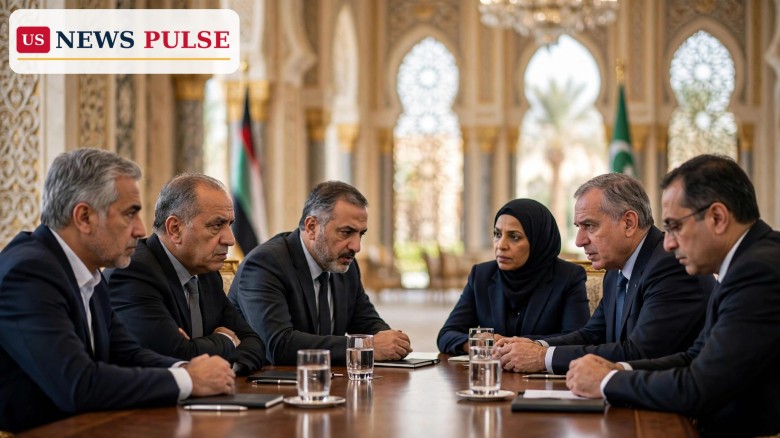
Saudi Arabia Iran diplomacy took centre stage on Friday, October 30, 2026, as Riyadh asked the Trump administration to give diplomacy a chance before President Donald Trump makes a final decision on whether to launch new military action against Iran. Senior Saudi officials have asked senior Trump administration officials for “more time”, two regional sources told The Jerusalem Post, warning that a fresh round of strikes could draw retaliation against the kingdom itself. The plea lands at a delicate moment: Qatari mediators returned to Tehran on Friday in a United States-coordinated push for a deal, while American officials have told regional allies to be ready for renewed military action after Tuesday’s midterm elections.
According to The Jerusalem Post, citing two regional sources, senior Saudi officials pressed senior Trump administration officials for more time, arguing diplomacy should be given a chance before a final military decision. The October 30 report said Riyadh fears that if Trump orders a strike, the Revolutionary Guard Corps and the Iranian military could hit Saudi water and electricity infrastructure and oil and energy facilities. Trump has not made a final decision, and reporting this week described the option under discussion as “short but intense” strikes.
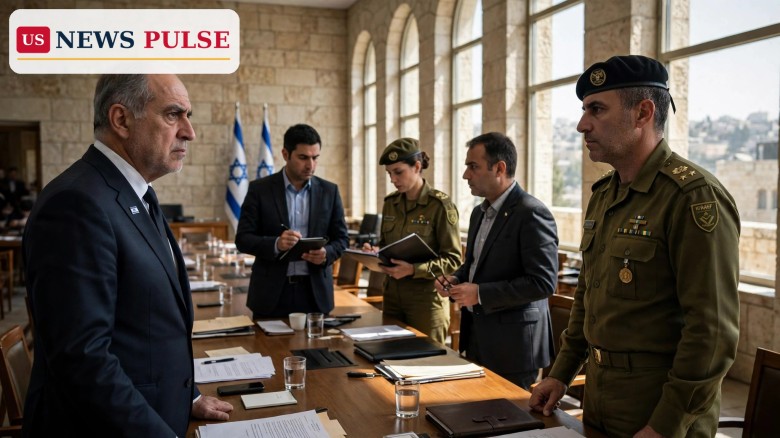
The Saudi message is not only directed at Washington. Several days ago, senior representatives of the Mecca Joint Defense Agreement, comprising Turkey, Saudi Arabia and Pakistan, arrived in Tehran for meetings with Iranian President Masoud Pezeshkian, Foreign Minister Abbas Araghchi and Supreme National Security Council Secretary Mohsen Rezaei. The delegation also included Saudi Defence Minister Prince Khalid bin Salman Al Saud. During those meetings, according to one regional source who spoke with the Post, the Saudis conveyed a request that, should the conflict resume, Tehran refrain from targeting key Saudi oil and gas facilities. The Iranians refused to make such a commitment, the source said.
Separately, Qatari mediators returned to Tehran on Friday in a US-coordinated push for a deal, an official briefed on the talks told Reuters. Qatar presented a draft plan on Sunday, October 25, but a senior Iranian official dismissed it as unacceptable, saying Tehran would maintain its nuclear position. The visit came five days after mediators travelled to Tehran on Sunday, when, according to L’Orient Today, they delivered a letter from Vice President JD Vance to Rezaei proposing resumed talks led by Vance himself, according to The New York Times.
The diplomacy is unfolding against an eight-month-old war involving Iran, the United States and Israel, a conflict that has disrupted global shipping and oil supplies and recently spread to Saudi Arabia and Yemen, according to a separate Reuters report carried by Türkiye Today. In March, during Operation Roaring Lion and Operation Epic Fury, the joint Israeli-American military campaign against Iran, Tehran launched missiles and drones toward a series of targets in Saudi Arabia. At a certain point, Iran reduced and eventually halted its attacks following messages from Riyadh warning that Tehran was “crossing a red line” and that Saudi Arabia would be forced to strike Iran if the attacks continued, the Post reported.
The two sides remain divided over sequence. Washington wants nuclear issues from the start; Tehran demands an end to the port blockade and oil sanctions first. Araghchi said on Wednesday that Tehran remained in close contact with intermediaries over its own seven-day proposal, which he said could be implemented in less than a week. Qatar’s proposal, an official said, set a seven-day timeline with daily confidence-building measures from each side and several countries as guarantors, possibly beginning early next week.
The Saudi intervention highlights a split in the region’s approach. One path is military: Central Command chief Admiral Brad Cooper briefed Trump on military options, according to a Wall Street Journal report this week, and US officials have told allies to prepare for renewed action after Tuesday’s elections and possible Iranian retaliation. The other path is Riyadh’s: test whether the Qatari channel, backed by Pakistan and Turkey, can produce a framework both sides can accept.
Iran’s public posture leaves little room for optimism. Parliament Speaker Mohammad Ghalibaf wrote on Thursday: “Iran’s conditions have been clearly conveyed to the mediators on several occasions. The carrot-and-stick strategy has no effect on Iran. Progress can only be made once all seven of Iran’s conditions are accepted.” A senior Iranian official later said Qatar had presented only “unacceptable ideas and not an offer”, with Tehran’s nuclear position unchanged, while Araghchi has said Iran continued to give diplomacy a chance.
The stakes extend beyond Washington and Tehran: the outcome could reverberate across Lebanon, Israel, Syria and the Gulf, and on Friday the Saudi-led coalition said it had intercepted a Houthi drone near Mecca, a claim the rebels denied.
Saudi officials have not publicly confirmed the private request for more time, and the Post’s account rests on two regional sources speaking about sensitive diplomacy. The message attributed to Riyadh is nonetheless precise: give diplomacy a chance, and give it more time, before a decision that could put Saudi infrastructure in the line of fire. The concern is practical rather than abstract, naming water, electricity and oil and energy facilities as the assets Riyadh fears would be targeted.
From Tehran, the response has been a mix of engagement and firmness. Araghchi’s statement that Iran remained in close contact with intermediaries and was reviewing ideas to implement its own seven-day proposal keeps the door open. Ghalibaf’s insistence that progress requires acceptance of all seven of Iran’s conditions sets the price of that door staying open. And the senior Iranian official’s dismissal of the Qatari draft as unacceptable ideas rather than an offer shows how far apart the two sides remain on the nuclear question, which Washington wants addressed from the outset and Tehran wants sequenced behind an end to the blockade and oil sanctions.
Trump, meanwhile, has kept both options alive, vowing to “finish the job” in Iran and calling new strikes an option after next week’s midterms, while his administration’s contacts through Qatar and the Vance letter show a parallel diplomatic track. On Thursday, Trump said Vance’s outreach concerned medical supplies, following reports linking it to efforts to revive peace talks.
For American readers, the Saudi plea matters because it reveals how Washington’s closest Gulf partner views the next decision. Riyadh is not asking the United States to abandon its demands on Iran’s nuclear programme; it is asking for time to see whether negotiation can deliver what strikes might not, without triggering retaliation against the kingdom’s critical infrastructure. If that plea is ignored and strikes resume, Saudi oil, water and power facilities could become targets, with consequences for global energy supplies and prices.
Timing also matters. With midterms on Tuesday, November 3, the White House faces a decision judged on security grounds and economic fallout. A limited breakthrough built around seven days of confidence-building steps would ease pressure on Hormuz shipping and oil markets; a failed round would leave the military option as default, with allies already told to brace for retaliation on energy facilities and critical infrastructure.
Related coverage on US News Pulse includes Trump’s statement that the Iran war will be wrapped up soon, the briefing of Iran attack options to Trump by the top admiral, and the surge in oil prices past $117 as Hormuz tensions stoked fears.
The immediate test is whether the mediators’ return produces a revised draft Tehran treats as a genuine offer rather than unacceptable ideas. The seven-day timeline described by an official could begin early next week, with several countries as guarantors and daily confidence-building measures. Its first days will show whether Washington’s nuclear-first demand and Tehran’s blockade-and-sanctions-first demand can be bridged.
If talks stall, attention shifts back to the military timetable. US officials have warned allies to be ready for renewed action after the November 3 elections, and the president’s final decision remains pending. Either diplomacy buys a pause that holds, or the region moves toward the “short but intense” strikes Trump has raised, with Riyadh’s infrastructure fears tested in practice.
Saudi Arabia asked the administration to “give diplomacy a chance” and for “more time” before Trump makes a final decision on new military action against Iran, according to two regional sources cited by The Jerusalem Post.
Riyadh fears the Islamic Revolutionary Guard Corps and the Iranian military could retaliate by targeting Saudi water and electricity infrastructure and facilities linked to the oil and energy sectors.
During meetings with the Mecca Joint Defense Agreement delegation, the Saudis asked Iran not to target key Saudi oil and gas facilities if fighting resumes. Iran refused to make that commitment, a regional source said.
Qatar presented a draft peace plan on October 25 laying out a seven-day timeline with daily confidence-building measures from each side and several countries as guarantors. A senior Iranian official dismissed it as unacceptable, and Tehran says its nuclear position is unchanged.
If diplomacy fails, the focus returns to the military option Trump has kept open, with US officials warning allies to be ready for renewed action after the November 3 midterm elections and for possible Iranian retaliation.
Leave a Comment



 | Today's Date: