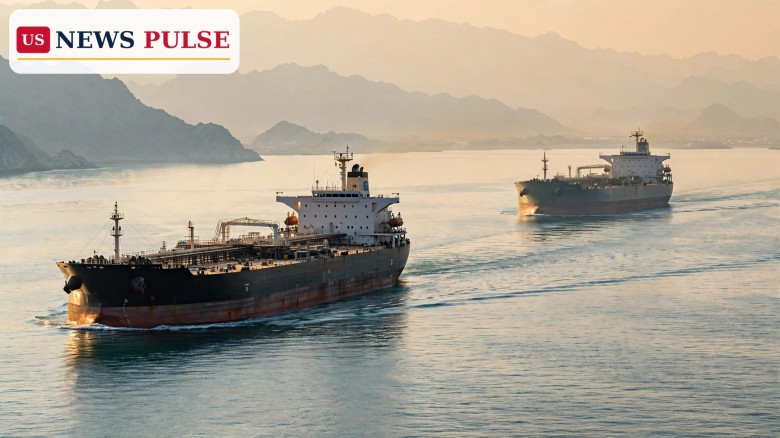
Iran's 7-day Hormuz plan is back at the centre of the diplomacy around the war with the United States. Iranian Foreign Minister Abbas Araghchi said on Wednesday that Tehran remains in close and ongoing contact with mediators about ideas that could put the plan into effect in under a week, even as President Donald Trump denied that he had ordered a new peace-talks push.
The Iran 7-Day Hormuz Plan, first proposed in September, sets out a short, sequenced route back to normal shipping through the Strait of Hormuz, the narrow waterway through which about a fifth of the world's oil and liquefied natural gas used to travel. Its return to the headlines matters because the two sides are still describing the same contacts in very different ways, while warning at the same time that fighting could resume after the United States midterm elections on November 3.
Araghchi made his statement in a post on social media on Wednesday, October 28. He said Iran was in close and ongoing contact with intermediaries to look at ways of carrying out the plan in under a week. In the same message, he said Iran's armed forces were fully prepared to defend the homeland, but that Iran continues to give diplomacy a chance to succeed.
The timing is important. The statement came on the same day that Trump was asked about a Wall Street Journal report that Vance had written to Mohsen Rezaei, secretary of Iran's Supreme National Security Council and a former commander of the Islamic Revolutionary Guard Corps, to test whether Washington and Tehran could agree on a framework for negotiations. According to the newspaper, citing a person familiar with the matter, the letter was sent at Trump's direction and the president was kept informed.
Trump rejected that account when he spoke to reporters at Joint Base Andrews on Wednesday. Asked whether he had directed Vance to begin negotiations, he said: 'No. Iran needs help with medical supplies. Basically, it's getting supplies in to help people that are not well.' He had earlier acknowledged approving Vance's contact, according to Bloomberg, but the White House account, as stated by the president, describes the contact as humanitarian rather than a negotiating channel.
Neither side has released the text of any letter, and the two descriptions have not been reconciled publicly. That gap is now the central uncertainty in the story: whether the Vance-Rezaei contact was a humanitarian message, a test of a negotiating framework, or something that began as one and became the other in the retelling.
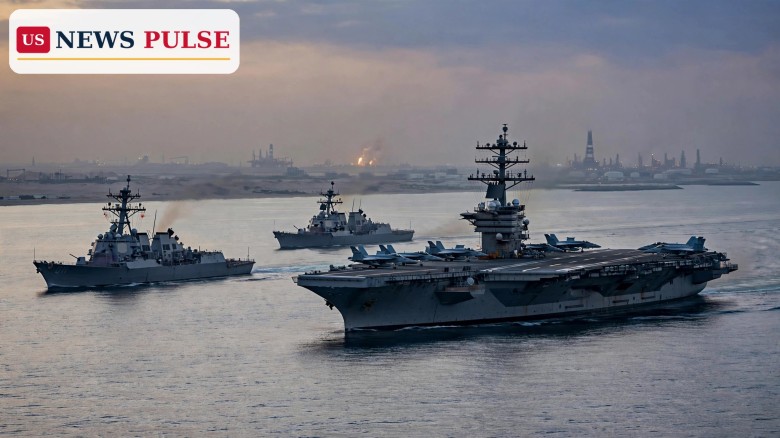
The United States and Israel launched a war against Iran in late February 2026, in the operation known as Epic Fury. Iran responded by blockading the Strait of Hormuz and attacking vessels that tried to cross without its authorisation, while the United States Navy maintained a blockade of Iranian ports. A ceasefire followed on April 8, but it has remained fragile, and both sides have warned that it could break.
Iran proposed its seven-day plan in September. Trump previously rejected it. Under the plan as described in published accounts, the strait would reopen within seven days if necessary conditions, including a Middle East-wide ceasefire, were met. Iran had also demanded the unfreezing of its assets abroad, the lifting of sanctions on its oil sector and an end to the United States blockade.
The more detailed sequencing now being reported adds a day-by-day shape to that proposal. During the first five days, the United States would take agreed measures, which include ending hostilities, lifting its naval blockade on Iranian ports, easing curbs on Iranian oil exports and releasing frozen Iranian assets. On the sixth day, Iran would reopen the strait to normal commercial shipping. On the seventh day, negotiations toward a wider agreement would resume.
That sequence is also the plan's biggest political problem. It asks Washington to move first, over five days, before the strait is reopened on day six. It is not clear whether Washington would be willing to lift the naval blockade before the strait is reopened, and earlier statements by Trump on Iranian proposals have been critical. It is not clear whether his position has shifted.
The mediation picture is crowded. The plan was carried to Washington through Qatari mediators, according to published accounts. Oman and Pakistan have also been named as countries involved in diplomatic contacts between the two sides. Axios has separately reported that regional mediators led by Qatar were pushing for a diplomatic deal to restart United States-Iran talks, including an effort to convince Iran to allow United Nations inspectors to visit its bombed nuclear sites in return for some sanctions relief. Iran said a Qatari delegation visited Tehran on Sunday for talks.
Day one to day five would be the American half of the bargain. Hostilities would end, the naval blockade on Iranian ports would be lifted, curbs on Iranian oil exports would be eased, and frozen Iranian assets would be released. Each of those steps is, on its own, a major concession, and together they would amount to a rapid unwinding of much of the economic and military pressure built up since February.
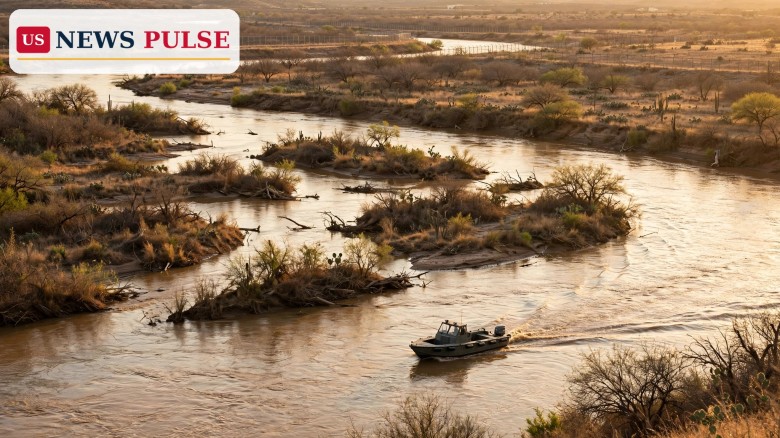
Day six would be the Iranian half. Tehran would reopen the Strait of Hormuz to normal commercial shipping, ending a blockade that has disrupted one of the world's most important energy routes. About a fifth of the world's oil and liquefied natural gas used to travel through the waterway, which is why governments and markets have treated every hint of reopening as a major economic signal, not just a diplomatic one.
Day seven would be the start, not the end, of the process. Negotiations toward a wider agreement would resume, covering the issues that the seven-day sequence deliberately leaves open, including Iran's nuclear programme, regional security and the longer-term sanctions regime. The plan's logic is that a short, verifiable sequence can rebuild enough trust for those harder talks to happen at all.
That logic has not yet been tested. The terms of the plan have been described differently in different accounts, and the Iranian side has not published a full text. The measures remain subject to agreement, and there has been no confirmation that Washington has accepted them. Until a text is published or a government confirms it, the seven-day plan remains a reported proposal, not an agreed deal.
Araghchi's own words were the clearest signal from Tehran. 'While our brave armed forces are fully prepared to defend the homeland, Iran continues to give diplomacy a chance to succeed,' he said in his post on X. The pairing of readiness and diplomacy is deliberate: it tells domestic audiences that Iran is not negotiating from weakness, while telling mediators that a path remains open.
Trump's words pointed in the opposite direction, at least in public. 'No. Iran needs help with medical supplies,' he said at Joint Base Andrews. 'Basically, it's getting supplies in to help people that are not well.' The denial does not, on its own, rule out a diplomatic channel: a president can approve a contact and still describe it publicly as humanitarian. But it does leave the state of United States-Iran contacts unclear at a moment when both sides are warning of renewed fighting.
Rezaei, the recipient of Vance's letter, has been a hardline voice in this story. He said last week that Iran would not negotiate with Washington until its core demands were met. Earlier in October, he warned about expanding Iranian attacks on targets in neighbouring Arab countries, including data centres and internet cables. His role matters because any framework that Rezaei himself would not accept is unlikely to survive contact with Tehran's security establishment.
The wider warning track has not gone quiet. The Wall Street Journal has reported that Washington told several Gulf Arab countries to prepare for a possible short, intense military campaign against Iran after the November 3 midterms, while stressing that Trump had not made a final decision. The Pentagon has told Congress that the projected cost of the Iran war to American taxpayers has risen to about 47.1 billion dollars, up from 43.6 billion dollars in September.
The Strait of Hormuz is not a regional detail. It is a choke point for global energy, and its disruption has been a major concern for governments and markets since the conflict began. A credible seven-day route to reopening it would ease pressure on oil and gas prices, shipping insurance and supply chains, and it would remove one of the most dangerous flashpoints in the confrontation.
The plan also matters because of what it reveals about the diplomacy. The fact that Qatar, Oman and Pakistan are all named in mediation contacts, that a Qatari delegation visited Tehran on Sunday, and that Axios reports a push to get United Nations inspectors into bombed nuclear sites in return for sanctions relief, suggests a mediation effort that is broader and more active than the public denials suggest. Denials and diplomacy can run in parallel, especially before an election.
For American voters, the timing is unavoidable. The midterms are on November 3, and published accounts say regional mediators are hoping to restart United States-Iran negotiations after the elections, though that timing has not been confirmed by either government. A war that costs 47.1 billion dollars, threatens energy prices and could resume within weeks of the vote is a live election issue, whether either party wants it to be or not.
The next test is whether either government puts anything in writing. A published text of the seven-day plan, a White House statement on the Vance letter, or a further Araghchi message with more detail would each move the story from reported proposal to confirmed negotiation. Without one, the plan remains a framework that mediators are discussing, not a deal that governments have signed.
The second test is the calendar. If mediators are indeed aiming to restart talks after November 3, the days immediately after the midterms will be revealing. A quiet week would suggest the mediation is still alive; a new military campaign, as Gulf states have reportedly been warned to expect, would suggest it has failed. The Strait of Hormuz will be the first place to look either way: shipping movements there are a faster signal than any statement.
The third test is the nuclear question. Axios reports that mediators want Iran to allow United Nations inspectors to visit bombed nuclear sites in return for some sanctions relief. Whether Tehran accepts that trade, and whether Washington offers enough relief to make it worthwhile, will decide whether a seven-day reopening becomes a wider settlement or just a pause before the next round.
It is a reported Iranian proposal, first made in September, under which the United States would take agreed steps over five days, Iran would reopen the Strait of Hormuz on day six, and wider negotiations would resume on day seven.
According to published accounts, it would end hostilities, lift its naval blockade on Iranian ports, ease curbs on Iranian oil exports and release frozen Iranian assets.
No. There is no confirmation that Washington has accepted the plan or its sequencing, and no full text has been published by either side.
Trump denied directing Vance to start peace talks, saying at Joint Base Andrews that the contact concerned Iran's need for help with medical supplies.
About a fifth of the world's oil and liquefied natural gas used to travel through it, so its blockade affects global energy prices, shipping and supply chains.
Related coverage: US warns allies to brace for post-election Iran strikes, Trump says Vance letter was medical aid, not peace talks, and Vance letter: Trump confirms secret peace overture to Tehran hardliner.
Leave a Comment



 | Today's Date: