The Virginia oysters Salmonella outbreak has taken a decisive turn for investigators: laboratory testing has now found the outbreak strain of Salmonella in oysters from every one of the four Little Wicomico River leases sampled by Virginia health officials, strengthening the link between the river's raw oysters and an illness count that federal officials put at 27 people sick in 12 states, five of them hospitalised, with no deaths reported. The finding, added to Virginia's outbreak page in an update re-dated October 26, 2026, answers the central question that had hung over the investigation for weeks: whether the bacteria making people ill was actually present in the oysters still in the water, and not only in the patients who ate them.
Virginia health officials sampled 400 oysters from cages in the Little Wicomico River on October 13 and turned them into eight composite meat samples, two from each of four shellfish leases. All eight samples tested positive for Salmonella. The state laboratory then sequenced two isolates from each sample, sixteen in all, and five of the sixteen were identified as Salmonella Telelkebir, the serotype named on the Centers for Disease Control and Prevention outbreak notice and on the Food and Drug Administration safety alert. Crucially, the state page says that serotype was sequenced in each of the four leases sampled, a result that points investigators toward the river itself rather than toward a single dealer, restaurant or handling step further down the supply chain.
The outbreak first reached the public through a CDC notice published on October 19, 2026, which counted 27 illnesses across 12 states and five hospitalisations. The patients' illnesses began between May 29 and September 14, 2026, according to the CDC's account, and the investigation quickly focused on raw oysters harvested from the Little Wicomico River in Northumberland County, Virginia, where the river meets the Chesapeake Bay near the Potomac River along the Virginia-Maryland border.
Ten of the people in the CDC's group of 27 reported eating raw oysters, and investigators were able to trace oyster consumption for seven of them. Two of those seven ate oysters from a single source in Virginia. The other five ate oysters from more than one source, but for each of them one possible source was the same Virginia growing area. That common thread, the Little Wicomico River, is what turned a scattered set of illnesses into a single outbreak investigation, and it is why the Virginia Department of Health now describes raw oysters from that one harvest area as the likely source of the illnesses in the CDC group.
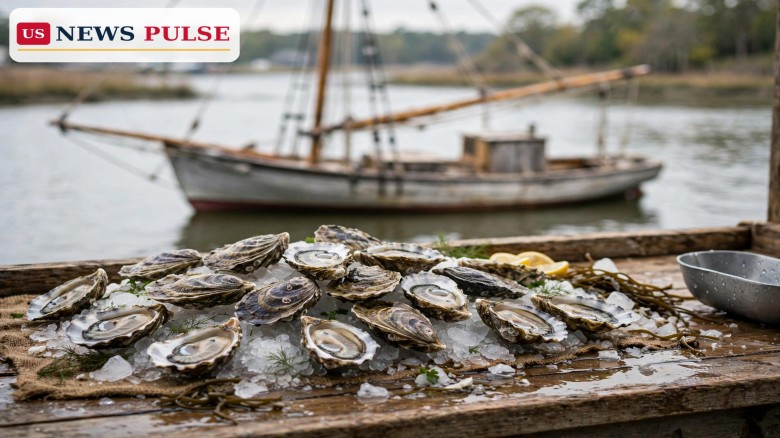
The recall followed on October 9, when the Little Wicomico Oyster Company voluntarily recalled whole shellstock oysters harvested from the Little Wicomico River and the Little Wicomico River Lower growing areas. The recall covers oysters harvested between September 18 and October 8, 2026. The company stopped harvesting in the affected area and notified its distributors and customers, and Virginia issued an emergency condemnation order temporarily closing the downstream portion of the river to shellfish harvesting, a closure set to remain in place through November 7.
One detail in the reporting deserves care, because it shows how an outbreak investigation narrows rather than simply grows. All of the 27 patients counted by the CDC so far ate oysters harvested before the recall window, according to food-safety reporting on the investigation. That does not mean the recall was unnecessary: it means the illnesses under investigation predate the recall period, and that the laboratory finding in the river itself is what connects the earlier harvests to the same growing waters.
The Little Wicomico River is a small tributary system, but its oysters travelled widely. The FDA has said the recalled oysters were sold to restaurants and retailers in 15 states and the District of Columbia: California, Colorado, Connecticut, Florida, Georgia, Illinois, Missouri, North Carolina, New Jersey, Nevada, New York, Pennsylvania, Texas, Virginia and Maryland, plus Washington, D.C. That distribution explains why a river in one Virginia county produced illnesses in a dozen states, and why the advice to consumers and businesses has been national rather than local.
The story also contains a labelling wrinkle that matters for anyone who bought oysters in Georgia. Georgia's Department of Agriculture has said Publix sold the recalled oysters labelled as James River Oysters through October 14, five days after the recall. Shoppers who remember buying James River oysters in Georgia in that period, rather than Little Wicomico oysters by name, are therefore within the group the recall is meant to reach, and food-safety coverage has pressed that point precisely because a shopper checking only for the Little Wicomico name could miss it.
There is also a second, larger set of numbers that has caused confusion, and it is worth setting out plainly. On October 21, the Virginia Department of Health counted 55 cases in 19 states in a wider Salmonella Telelkebir investigation. An update to the state's page on October 22 no longer gave that figure. The state now says the CDC is focusing its investigation on a genomic subgroup of 27 cases from 12 states, and that there are additional Salmonella Telelkebir cases beyond those 27. Other states and federal partners are investigating those additional cases, and the state says the source of those illnesses has not yet been determined. In other words, 27 is the confirmed, genomically linked group tied to the Little Wicomico River; 55 was a wider count that is no longer the state's headline figure, and the cases beyond the 27 are not yet attributed to a source.
Salmonella itself is familiar to food-safety officials, but its behaviour in oysters catches many consumers by surprise. The FDA warns that foods contaminated with Salmonella may still look, smell and taste normal, so there is no way to tell a contaminated oyster from a safe one by appearance. Most people who contract Salmonella begin showing symptoms between six hours and six days after eating contaminated food, with diarrhoea, fever and stomach cramps the most common signs, and most recover within four to seven days without treatment. The risk is higher for young children, older adults, pregnant people and people with weakened immune systems, which is why public-health advice around raw shellfish is consistently stricter for those groups.
The October 26 laboratory update is the most important development in the outbreak so far, because it moves the evidence from epidemiology to microbiology. Epidemiological evidence, the patient interviews and traceback records, had already pointed to the Little Wicomico River as the one source common to the traced cases. The laboratory evidence now shows that the outbreak serotype itself was present in oysters taken directly from the river, in every lease sampled.
The numbers behind that conclusion are specific and worth quoting exactly. On October 13, Virginia pulled 400 oysters from cages in the river and made eight composite meat samples, two from each of four leases. All eight were positive for Salmonella. The laboratory then took two isolates from each sample, sixteen in total, and sequenced them. Five of the sixteen were Salmonella Telelkebir, and the state's page says the serotype was sequenced in each of the four leases sampled. Five of sixteen is not a majority of isolates, but the distribution across all four leases is what matters: it suggests contamination spread through the growing waters rather than confined to one cage, one lease or one handling batch.
That distinction shapes what happens next. If contamination had been found in only one lease, investigators might have focused on that lease's practices or on a single pollution event. Finding the outbreak strain across all four sampled leases points instead to the river environment, and it supports the continued closure of the downstream portion of the river through November 7 while investigators work out how the bacteria entered the growing waters and whether the closure needs to be extended or narrowed.
It also explains why officials have been careful to say that oysters harvested from other Virginia growing waters are not included in the recall. Virginia's oyster industry is large, and a blanket warning against all Virginia oysters would have been both inaccurate and economically damaging. The recall and the closure are specific to the Little Wicomico River and the Little Wicomico River Lower growing areas, and consumers who bought oysters from other Virginia waters are not covered by this recall.
Federal and state agencies have spoken with one voice on the practical advice, even as the investigation itself continues. The FDA has advised consumers not to eat the affected oysters and has told restaurants and retailers not to sell or serve them. Businesses holding potentially contaminated product have been advised to dispose of it or contact their distributors so it can be destroyed, and to clean and sanitise any containers or surfaces that may have come into contact with the oysters.
The CDC's outbreak notice carries the same core message for the public: do not eat raw oysters from the recalled harvest area, and check with the restaurant or retailer if the source of oysters is unclear. That last point matters because oysters are often served without their harvest tags visible to the diner, and the traceback in this outbreak depended on shellfish tags that restaurants and retailers hold. Anyone who ate raw oysters recently and develops diarrhoea, fever or stomach cramps should contact a healthcare provider, particularly if symptoms are severe or prolonged, and should tell the provider about the oyster consumption so it can be reported.
Food-safety reporting has also noted a gap in the public record: as of the latest coverage reviewed, the Little Wicomico Oyster Company had not publicly commented on the laboratory findings. That silence is not itself a finding of fault, and the company did issue the voluntary recall on October 9 and stopped harvesting in the affected area. But it leaves unanswered questions about what the company itself believes happened in the river, and whether it will seek to resume harvesting when the closure lifts on November 7 or accept a longer suspension.
This outbreak matters beyond its case count because it tests how quickly a food-safety system can move from sick patients to a confirmed environmental source. The first illnesses began in late May, the CDC notice arrived on October 19, the recall on October 9, and the genetic confirmation in the river on October 26. That timeline is not unusual for a shellfish outbreak, where traceback through tags and distributors takes weeks, but it does mean that oysters harvested months earlier were still working their way through the investigation while new diners were being served oysters from the same waters. The river closure through November 7 is the mechanism that breaks that chain.
It also matters as a reminder about raw oysters specifically. Unlike most foods, raw oysters are eaten alive and uncooked, so there is no kill step between harvest and plate. Cooking oysters thoroughly kills Salmonella, but a raw oyster on the half shell offers no such protection, and neither does lemon, hot sauce or alcohol, despite persistent folklore. For most healthy adults the illness is unpleasant but self-limiting; for the groups at higher risk it can mean hospitalisation, as five of the 27 patients in this outbreak discovered.
Finally, the case-count confusion between 27 and 55 matters for public trust. When a state health department publishes a wider figure and then withdraws it in favour of a narrower, genomically confirmed subgroup, the public can reasonably ask which number to believe. The answer here is that both numbers described real patients at different stages of the investigation, but only the 27 are currently tied by genomic evidence to the Little Wicomico River. The additional cases remain under investigation, and officials have been explicit that their source has not yet been determined, rather than quietly folding them into the oyster count.
Three things will determine the next chapter of this outbreak. First, the CDC and state partners will continue investigating the additional Salmonella Telelkebir cases beyond the 27, to establish whether they share the Little Wicomico source or point elsewhere. Second, Virginia will decide what happens when the emergency condemnation order expires on November 7: whether the river reopens, stays closed, or reopens in part, depending on further sampling results. Third, the traceback will continue through distributors and retailers, including the Georgia labelling issue, to make sure recalled product still sitting in cold storage or on menus is destroyed rather than served.
Consumers can act now without waiting for those decisions. Anyone holding oysters harvested from the Little Wicomico River between September 18 and October 8, 2026, should not eat them and should dispose of them, cleaning any surfaces they touched. Restaurants and retailers should check their shellfish tags against the recall and the river's growing-area names, not only against the company name, given the James River labelling reported in Georgia. And diners ordering raw oysters anywhere should ask where they were harvested, a question that this outbreak has shown is not pedantic but practical.
Readers following food-safety recalls can also read our coverage of other recent actions, including the Taylor Farms salad kit recall over hidden allergens, the Miyoko's plant-based butter recall over E. coli fears, and the FDA warning over Salmonella in Darwin's cat food.
The CDC counts 27 people sick in 12 states, with five hospitalised and no deaths. Virginia previously counted 55 cases in 19 states in a wider investigation, but now says the CDC is focusing on a genomic subgroup of 27, with additional cases still under investigation and not yet attributed to a source.
Whole shellstock oysters harvested by the Little Wicomico Oyster Company from the Little Wicomico River and Little Wicomico River Lower growing areas in Virginia, harvested between September 18 and October 8, 2026, recalled on October 9, 2026.
Virginia sampled 400 oysters on October 13, making eight composite samples, two per lease across four leases. All eight tested positive for Salmonella, and five of sixteen sequenced isolates were Salmonella Telelkebir, the outbreak serotype, found in each of the four leases sampled.
No. Officials say oysters harvested from other Virginia growing waters are not included in the recall. The recall and the river closure apply specifically to the Little Wicomico River growing areas.
Do not eat any remaining recalled oysters; dispose of them and clean surfaces they touched. If you develop diarrhoea, fever or stomach cramps after eating raw oysters, contact a healthcare provider, especially if symptoms are severe or prolonged, and mention the oyster consumption.
Leave a Comment



 | Today's Date: