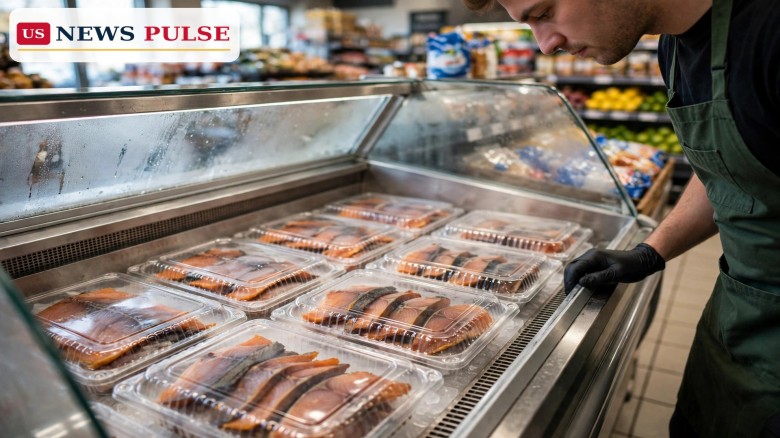
Haifa Smoked Fish of Queens, New York, has recalled about 560 pounds of its Cold Smoked Sprats because the fish may be contaminated with Clostridium botulinum, the bacterium that causes botulism, a rare but potentially life-threatening illness. The recall, announced on October 27, 2026, covers all lots of the product, and the company warns consumers not to eat the fish even if it looks and smells perfectly normal.
The recall follows a public warning from the U.S. Food and Drug Administration (FDA) issued four days earlier, on October 23, after an inspection found the company was producing the sprats without the food-safety controls required to stop the botulinum bacterium from growing and producing toxin. The FDA had recommended that the company recall every cold smoked sprat on the market. The company initially declined, prompting the agency to warn the public directly — and on October 27 the company finally announced the recall itself. No illnesses had been reported as of the recall announcement, but health officials stress that botulism can strike without any warning signs in the food itself.
According to the company announcement posted by the FDA, D&M Smoked Fish Inc., doing business as Haifa Smoked Fish Inc., of Queens, New York, is recalling approximately 560 pounds of Cold Smoked Sprats "due to potential contamination with Clostridium botulinum, a bacterium which can cause life-threatening illness." The notice adds the stark warning that has become the hallmark of botulism recalls: "Consumers are warned not to use the product even if it does not look or smell spoiled."
The fish was sold through retail stores and food businesses in New York, New Jersey and Pennsylvania, according to the recall announcement, and was shipped refrigerated in bulk cardboard boxes labelled "Cold Smoked Sprats." The product may also have been frozen for storage — the FDA's earlier warning noted that the sprats can be kept frozen for up to a year — which means affected fish could still be sitting in home or restaurant freezers long after the recall date. Anyone unsure whether their smoked sprats came from Haifa should contact the store or supplier where they bought them, and if the origin cannot be confirmed, the fish should not be eaten.
The recall caps a fast-moving sequence that began with an FDA inspection of the company's Jamaica, Queens, facility. Inspectors found that the firm was producing cold smoked sprats without implementing the required controls to prevent Clostridium botulinum growth and toxin formation. The FDA recommended a recall of all cold smoked sprats then on the market. When the company declined, the agency issued its own public warning on October 23, telling consumers, retailers, restaurants, wholesalers and food-service customers not to eat, sell or serve the product. Four days later, the company reversed course and announced the recall.
USA TODAY reported the recall on October 27, noting that the company had been reached for comment. The FDA, in posting the company announcement, noted that it publishes such notices as a public service and does not endorse the company or the product. As of the announcement, the FDA had not yet published an enforcement classification for the recall.
Sprats are small, oily fish in the herring family, often sold smoked whole and eaten as an appetiser or snack. Cold smoking — the method used for this product — flavours and preserves fish at low temperatures without cooking it. That is precisely why the missing controls matter so much: unlike hot smoking, cold smoking does not heat the fish enough to destroy bacteria, so producers must rely on a combination of salt, acidity, refrigeration and other hurdles to keep Clostridium botulinum from growing and producing toxin. When those controls are absent, the risk is invisible — the toxin has no smell, no taste and no visible sign.
Botulism is rare in the United States, but it is among the most serious foodborne illnesses doctors deal with. The toxin attacks the body's nerves, and the U.S. Centers for Disease Control and Prevention (CDC) lists symptoms including difficulty swallowing, muscle weakness, double vision, drooping eyelids, blurry vision, slurred speech, difficulty breathing and difficulty moving the eyes. Food Safety News, reporting on the FDA warning, notes that in foodborne botulism symptoms generally begin 18 to 36 hours after eating contaminated food, though they can appear as soon as 6 hours or as late as 10 days later. Untreated, botulism can paralyse the muscles needed for breathing, resulting in sudden death — which is why health officials urge anyone who ate the recalled fish and develops symptoms to seek medical attention immediately rather than waiting to see whether the symptoms pass.
The Haifa recall is the latest in a run of food-safety actions that have put American shoppers on alert this autumn. On this site, US News Pulse has recently reported the FDA's warning over Darwin's Natural Pet Products cat food after two cats fell ill with Salmonella, a nationwide recall of more than 4.3 million tubes of fluoride toothpaste over manufacturing deviations, and the recall of Miyoko's plant-based butter in ten states over yeast, mould and E. coli concerns. The pattern is a reminder that recalls now routinely reach well beyond a single brand or state line, and that checking lot numbers and supplier names has become part of the weekly shop.
The FDA's October 23 advisory is unusually blunt for a food-safety notice. The agency said its inspection found the Jamaica facility "was producing cold smoked sprats without the implementation of required controls to prevent Clostridium botulinum growth and toxin formation." It recommended that D&M Smoked Fish recall all cold smoked sprats currently on the market. The firm declined. The FDA then issued its public warning, advising consumers and food businesses not to eat or serve the product and warning that food contaminated with the spores that cause botulism "does not look, smell or taste bad."
One detail shoppers should note is the difference between the two documents. The FDA's October 23 warning listed distribution to retailers, restaurants, wholesalers and food-service customers in Connecticut, New Jersey, New York and Pennsylvania, and said the product may have reached additional states. The company's October 27 recall announcement names New York, New Jersey and Pennsylvania. The safest reading is the broader one: if you bought cold smoked sprats from an unknown supplier anywhere in the Northeast — or you cannot confirm the supplier — treat them as covered and do not eat them. The warning covers all lots, so there is no safe lot number to look for.
The company has given a consumer contact number, 718-523-8899, staffed from 9 a.m. to 5 p.m. Eastern Standard Time, for questions about the recall. Purchasers are urged to return the product to the store where it was bought for a full refund.
The FDA's own language has done most of the talking in this case. Its October 23 advisory told retailers, restaurants, wholesalers and food-service customers flatly that they "should not sell or serve cold smoked sprats sold by Haifa Smoked Fish, Inc." and told consumers who were unsure about the origin of their sprats to "contact your place of purchase or supplier." The agency's standing advice on botulism is equally direct: "Anyone who has eaten any of the recalled product and developed signs of botulism poisoning should immediately seek medical attention."
The company's recall announcement echoes that caution in its own words, warning consumers "not to use the product even if it does not look or smell spoiled" and noting that no illnesses had been reported as of October 27. USA TODAY, reporting the recall, noted that it had reached out to Haifa Smoked Fish for comment. Food-safety commentators have pointed to the sequence — a refused recall followed by a public warning followed by a recall four days later — as a case study in why the FDA's public-warning power matters: the warning, not the recall, was the first thing that actually reached shoppers.
Public-health guidance around botulism is consistent across agencies. The CDC says improperly canned, preserved or fermented foods can be a source of foodborne botulism, and that the illness "can cause paralysis and difficulty breathing," adding: "People experiencing symptoms should seek immediate medical care." That urgency is the through-line of every official statement in this case — do not wait, do not taste-test, and do not assume a normal-looking fish is a safe one.
This recall matters for three reasons. First, botulism is one of the few foodborne illnesses where a single serving can be fatal, and where the usual consumer defences — look, smell, taste — are useless. A 560-pound recall sounds small next to recalls measured in millions of units, but botulism does not need scale to be dangerous; it needs only one contaminated batch and one consumer who assumes the fish is fine.
Second, the distribution pattern makes this recall hard to police from the label alone. The sprats were sold in bulk cardboard boxes to retailers, restaurants, wholesalers and food-service customers — not in branded consumer packs with a barcode to scan at home. That means a diner who ate smoked sprats at a restaurant may never see a recall notice, and a shopper who bought loose sprats from a deli counter may have nothing to check against. The recall works only if restaurants, delis and wholesalers act on it — which is why the FDA addressed its warning to them as directly as to consumers.
Third, the freezer angle extends the risk in time. Because the sprats can be frozen for up to a year, a batch bought this autumn could still be eaten next summer. Recalls of fresh products fade quickly; recalls of freezable products need to be remembered. Anyone with unlabeled smoked sprats in the freezer should check with the seller now, not when the fish is thawed for a meal.
The immediate next step belongs to the supply chain: retailers, restaurants, wholesalers and food-service operators in the affected states should pull any Haifa cold smoked sprats from sale and service, and consumers should return the product for a refund. The FDA has not yet published an enforcement classification for the recall, and that classification — which grades the health hazard — will be one of the next official updates to watch for.
Shoppers should also watch for an expanded distribution list. The FDA has already said the product may have reached states beyond those named, and recall notices are frequently updated as distributors report their customer lists. If additional states are added, or if any illness is linked to the product, the agency will update its advisory, and US News Pulse will update this story.
For consumers, the practical checklist is short: do not eat cold smoked sprats you cannot trace to a supplier other than Haifa; do not rely on look, smell or taste; return suspect product for a refund; clean any surfaces or containers the fish touched; and seek emergency care immediately if you develop double vision, drooping eyelids, slurred speech, trouble swallowing, weakness or difficulty breathing after eating smoked sprats. The consumer contact line is 718-523-8899, from 9 a.m. to 5 p.m. Eastern Standard Time.
Which product is recalled?
All lots of Cold Smoked Sprats from Haifa Smoked Fish (D&M Smoked Fish Inc.) of Queens, New York — about 560 pounds in total, sold in bulk cardboard boxes and shipped refrigerated.
Why was the smoked fish recalled?
Potential contamination with Clostridium botulinum, the bacterium that causes botulism, after an FDA inspection found the fish was made without the required controls to prevent the bacterium from growing and producing toxin.
Which states are affected?
The company's recall announcement names New York, New Jersey and Pennsylvania. The FDA's October 23 warning also listed Connecticut and said the fish may have reached additional states.
Have any illnesses been reported?
No illnesses had been reported as of the October 27 recall announcement, according to the company and the FDA.
What should I do if I bought the recalled sprats?
Do not eat them, even if they look and smell normal. Return them to the place of purchase for a full refund, clean any surfaces they touched, and call 718-523-8899 with questions. Seek emergency medical care immediately if you develop botulism symptoms.
Read more on US News Pulse: FDA warns over Darwin's cat food after two lots test positive for Salmonella, Toothpaste recall: 4.3 million tubes pulled nationwide and Miyoko's butter recall: plant-based spread pulled in 10 states over E. coli fears.
Leave a Comment



 | Today's Date: