
Canada Tariffs Revised: Plywood and Packaging Off the 50% List From Oct 30
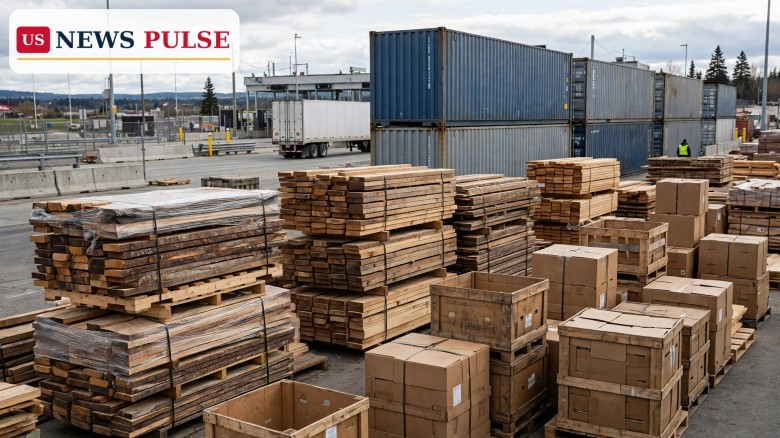
Canada tariffs will change again on Friday, October 30, 2026, when the United States revises the list of Canadian goods subject to an additional 50% duty under Section 338 of the Tariff Act of 1930. President Donald Trump signed the proclamation on October 23, removing plywood, packaging, paper and some machinery from the 50% list while adding about 100 other product lines, including carpets, cocoa powder, soaps and hand power tools. The rate itself does not change: it stays at 50%, the maximum Section 338 allows, and the duties continue to apply regardless of whether goods qualify under the United States-Mexico-Canada Agreement.
The revision lands four days before the November 3 midterm elections and two days after this article's publication, giving importers a short window to re-screen their shipments. The changes take effect at 12:01 a.m. Eastern time on October 30 and apply to goods entered for consumption, or withdrawn from a warehouse for consumption, from that date. United States Customs and Border Protection is authorised to issue the implementing guidance, and trade advisers have urged importers to check the tariff classifications in the proclamation's annex rather than relying on broad product descriptions, because the classification numbers, not the descriptions, set the scope.
Key Points
- President Trump signed a proclamation on October 23, 2026, revising the list of Canadian goods subject to an additional 50% Section 338 duty.
- The changes take effect at 12:01 a.m. Eastern time on October 30, 2026, four days before the November 3 midterms.
- Leaving the 50% list: 22 tariff lines, including thin plywood, corrugated boxes, plastic packing crates, paper products and some machinery and refrigeration equipment.
- Joining the 50% list: about 100 tariff lines, including carpets and rugs, cocoa powder, soaps, shampoo, vinyl flooring, wood packing boxes, hand power tools and valves.
- The 50% rate is unchanged, applies regardless of USMCA origin, and stacks on top of any Section 232 duties.
What Happened
The White House published the proclamation, titled as a further modification of the scope of Canadian products subject to additional duties imposed to offset Canadian discrimination against United States commerce with respect to motor vehicles, on October 23. Its Annex I has two parts. Part A removes 22 tariff lines from the additional duty. Part B adds about 100 lines to it. A White House fact sheet confirms the October 30 effective date, confirms that the duties apply regardless of USMCA origin, and confirms that they stack on Section 232 duties.
On the removal side, the best-documented changes concern wood and packaging. Seven specified thin hardwood-faced plywood subheadings under headings 4412.33 and 4412.34 come off the list, along with corrugated cartons and boxes, plastic boxes and crates used for packing, polyethylene sacks and bags, paper pulp trays, bleached paper and paperboard, certain seaweeds and other algae, non-adhesive plates, sheets, film, foil and strip of polymers of propylene, and specified packing, labelling and refrigeration machinery. Trade publications note that the removal list should not be read as a general end to duties on wooden packing cases: some wood packaging lines leave the list while others join it, and the classification number decides each case.
On the addition side, the new lines span several industries. They include carpets and rugs across headings 5701 to 5705, cocoa powder, acrylic paints, soaps and toilet soap, shampoo, artificial waxes, chemical residuals, vinyl flooring, thin fibreboard and medium-density fibreboard, wood packing boxes, hand power tools, hand valves of iron or steel, chest freezers, kraft paper, unprinted pressure-sensitive labels, canoes, archery equipment and air conditioners. Civil aircraft articles covered by General Note 6 are excluded from the additions.
In the proclamation, Trump said he decided to adjust the list after senior executive branch officials advised him that doing so would still offset the alleged discrimination while serving the public interest. The administration has described the October action as balancing relief for American businesses against the original purpose of the duties, rather than as an end to the wider trade dispute with Canada.
Background and Context
The Section 338 duties began with Proclamation 11048 of July 20, 2026, which set an additional 50% ad valorem duty on a list of Canadian goods then valued at about $20 billion. Section 338 of the Tariff Act of 1930 allows a president to impose duties of up to 50% to address discrimination against United States commerce. In ordering the original tariffs, Trump alleged that Canada had unfairly imposed duties and quotas on United States car imports, halted purchases of American alcohol and set tariff-rate quotas for certain dairy products.
The duties took effect at 12:01 a.m. Eastern time on August 22, 2026, after a three-day suspension, following a month of trade talks between the two countries. When Prime Minister Mark Carney called off the discussions in mid-August, the levies went into effect. Canada then introduced retaliatory tariffs in September to match the United States duties, and Trump responded by expanding the scope of the levies and introducing import bans on goods such as specialty cheeses, boats and furniture. A second modification, Proclamation 11065 of September 8, changed the product list once, effective September 15. The October 23 proclamation is the third change to the list.
That history matters because the wider negotiation remains stuck. CBC News reporting cited in recent coverage says no Canada-United States deal is expected before the November 3 midterms, with no substantial engagement at negotiating level, and Carney has said talks have only slightly intensified, with any progress coming because Washington is moving closer to Canada's position. The October 30 tariff revision therefore arrives not as a settlement but as a recalibration inside an unresolved dispute, four days before voters decide control of Congress.
Canada Tariffs: What Leaves the List and What Joins It
The removal list will matter most to builders, packers and manufacturers that buy Canadian inputs. Thin plywood with outer plies of non-coniferous wood, corrugated boxes and cases, plastic transport packaging and certain paper and paperboard goods are the kinds of everyday industrial inputs whose costs feed directly into construction, shipping and retail packaging. Removing the additional 50% duty on those lines lowers the landed cost of those specific classifications, although ordinary import duties and any other applicable trade measures still apply, and the removal covers only the additional Section 338 levy.
The addition list, by contrast, widens exposure for importers of consumer and workshop goods. Carpets and rugs, cocoa powder, soaps and shampoo, vinyl flooring and fibreboard, hand power tools and valves, chest freezers and air conditioners are all products where a new 50% additional duty, stacked on any Section 232 duty, can change sourcing decisions quickly. Because the duties apply regardless of USMCA origin, a product cannot escape the additional duty simply by qualifying as North American under the trade agreement. Importers bringing in mixed loads will need to check line by line, since a shipment can contain both newly exempt and newly covered classifications.
Maine illustrates why the politics of a line-by-line list are so local. Republican Senator Susan Collins of Maine has pushed the administration to ease tariffs on products used by the state's blueberry, potato, apple and seaweed producers, and reporting on the proclamation says the exemptions cover nine categories important to Maine's agricultural and coastal industries, which use Canadian products that may be difficult or expensive to replace with American alternatives. Collins is seeking re-election in a race that polling has shown deadlocked, and Maine's producers are among the most exposed American buyers of Canadian inputs. The October revision gives those producers targeted relief while leaving the broader tariff architecture intact.
Reactions and Quotes
The administration's stated rationale is that the revised list still offsets the alleged Canadian discrimination while serving the public interest. In Friday's proclamation, Trump said he acted on the advice of senior executive branch officials that the adjustment would meet that test. The White House fact sheet repeats the October 30 effective date and the USMCA and Section 232 stacking rules, but does not present the revision as a negotiated settlement with Ottawa.
Senator Collins's camp has welcomed the Maine-relevant exemptions as relief for producers who depend on Canadian supplies. Trade compliance advisers, meanwhile, have struck a more cautious note: several have told clients to re-screen every Canadian tariff line before October 30, to confirm whether each classification leaves or joins the list, and to wait for Customs and Border Protection guidance on implementation. Their warning reflects a practical point in the proclamation itself: the annex says its product descriptions are for information only, and the tariff numbers govern.
Legal challenge is already under way. On October 20, food importer Gellert Global Group, represented by the Liberty Justice Center, filed suit with the Court of International Trade seeking removal of the Section 338 tariffs. The suit argues that Trump did not meet the requirements under Section 338 to implement the tariffs, casts doubt on the use of the statute given more recent legislation, and argues that Congress's procedural requirements were bypassed. Beyond removing the tariffs, the filing asks the court to block collection and order refunds for importers. The suit was filed before the October 23 proclamation, so it targets the tariff programme itself rather than the latest list changes, and no court ruling on it has been reported.
Why It Matters
For American businesses, the revision is a reminder that tariff exposure is now a moving target. A product that was dutiable in August can be exempt in October, and a product that was exempt can become dutiable, with only a week's notice between signature and effect. Companies that price contracts months ahead, from home builders ordering plywood to retailers stocking carpets and freezers, must now treat the tariff list as a live document and build re-screening into their purchasing calendars.
For consumers, the effects will be uneven and indirect. Relief on packaging and paper inputs could ease costs for shippers and manufacturers, while new duties on carpets, cocoa, soaps and appliances could push in the opposite direction for households. Because the additional duty stacks on Section 232 duties and applies regardless of USMCA origin, the total duty on some newly covered goods could be substantial, and whether importers absorb it, pass it on or switch suppliers will determine what shoppers actually feel.
For the midterm campaign, the timing is the story. A tariff revision taking effect four days before voting, with targeted relief for a battleground senator's home-state producers, shows how trade policy has become campaign policy. Democrats will argue that the whiplash of successive list changes proves the tariff programme is chaotic and costly; Republicans will argue that the administration is fine-tuning the programme to protect American producers while keeping pressure on Ottawa. The November 3 results will be an early verdict on which argument voters in tariff-exposed states found more convincing.
What Happens Next
Three dates now govern the story. On October 30, the revised list takes effect at 12:01 a.m. Eastern time, and Customs and Border Protection guidance should clarify how the new classifications are administered at the border. On November 3, voters decide the midterms, including the Maine Senate race that has made the state's producers a focal point of the tariff debate. After the election, the wider Canada-United States negotiation will still be unresolved, with Canadian officials saying no deal is expected before the vote and the January 1, 2027 threat of 50% autos and steel tariffs still on the table in separate reporting.
Watch also for the Gellert Global Group lawsuit, which could, if it succeeds, unwind the Section 338 programme and force refunds, and for any further proclamation adjusting the list again. The pattern since July has been repeated adjustment: an original list, a September modification, import bans, and now an October revision that removes 22 lines and adds about 100. Importers, and voters in exposed states, should expect the list to keep moving.
Related coverage on US News Pulse: Canada-US trade stalemate to outlast midterms as Carney says US edging closer, US-India trade deal nears finish as White House calls talks productive and Trump methane rules rollback: EPA proposes easing oil and gas leak curbs.
Frequently Asked Questions
What changes on October 30, 2026?
The list of Canadian goods subject to an additional 50% Section 338 duty changes. Twenty-two tariff lines leave the list, including thin plywood, corrugated boxes, plastic packing crates and some machinery, while about 100 lines join it, including carpets, cocoa powder, soaps, vinyl flooring, wood packing boxes and hand power tools.
Does the 50% tariff rate change?
No. The rate stays at 50%, the maximum Section 338 allows. The October 23 proclamation changes which products are covered, not the rate.
Do the duties apply to USMCA-qualifying goods?
Yes. The White House fact sheet confirms the Section 338 duties apply regardless of USMCA origin, and they stack on top of any Section 232 duties.
Why is Maine mentioned in coverage of the revision?
Senator Susan Collins of Maine pushed for relief on products used by the state's blueberry, potato, apple and seaweed producers, and reporting says the exemptions cover nine categories important to Maine's agricultural and coastal industries.
Could the tariffs be struck down in court?
A lawsuit filed on October 20 by Gellert Global Group with the Court of International Trade seeks removal of the Section 338 tariffs, a block on collection and refunds for importers, arguing the statutory requirements were not met. No ruling on that suit has been reported.
© 2026 US News Pulse. All rights reserved.
 Print
 Save