
California Pumpkin Patch E. Coli Outbreak: 5 Sick, 3 Children in Intensive Care
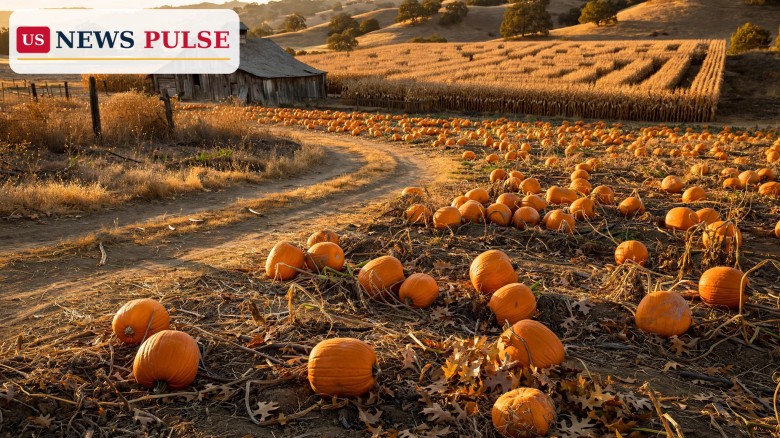 ")
A California pumpkin patch E. coli outbreak has left five people ill and three children in intensive care, after health officials in San Luis Obispo County linked the cases to visits to Brookshire Farms in San Luis Obispo between October 16 and October 26, 2026. The farm, a popular fall attraction known for its pumpkin patch and corn maze, has closed for the rest of the pumpkin season while investigators try to find how the infections happened.
The County of San Luis Obispo Public Health Department confirmed five cases of Shiga toxin-producing E. coli, known as STEC, on October 27, 2026. The five patients are two adults and three children, and all five had visited Brookshire Farms, county officials said. The three children are seriously ill and are being treated in a pediatric intensive care unit, county spokesperson Tom Cuddy told local news outlets. Health officials have urged anyone who visited the farm during the suspected exposure period and later developed stomach symptoms to contact a health care provider at once.
Key Points
- Five confirmed cases of Shiga toxin-producing E. coli have been linked to visits to Brookshire Farms in San Luis Obispo, California.
- The patients are two adults and three children; the three children are in serious condition in a pediatric intensive care unit.
- The suspected exposure period is October 16 to October 26, 2026, and the source of the infections has not yet been identified.
- Brookshire Farms has closed voluntarily for the rest of the pumpkin season and says it is cooperating fully with health officials.
- Symptoms usually appear three to ten days after exposure and can include severe stomach cramps, bloody diarrhea and vomiting.
What Happened
County health officials announced the investigation on October 27, 2026, after confirming five cases of STEC infection among people who had all visited the same farm. The farm sits at 4747 Los Osos Valley Road in San Luis Obispo, on California's Central Coast, and draws families each autumn for its pumpkin patch, corn maze, hayrides and other seasonal attractions. According to a compilation of its listed attractions, the site also offers grain-cart rides, pedal carts, a jumping pillow, a playground, a hay climb and a hay maze.
At first, reports described a shorter exposure window, but on the afternoon of October 27 the county widened it to October 16 through October 26. That eleven-day window matters, because it covers the peak of the farm's fall season, when thousands of families pass through pumpkin patches and corn mazes in the run-up to Halloween. Health officials said they are gathering information from visitors, investigating potential exposures and carrying out follow-up work to determine whether the cases are connected and, if so, what they have in common beyond the farm visit itself.
Brookshire Farms closed voluntarily on Tuesday, October 27, and in a statement on October 28 said it would remain closed for the rest of the pumpkin season while it awaited test results from the county health department. "Safety is our main concern. We are waiting on the test results from the county health department. Until then, there is nothing to comment on," the farm said. County officials have said the farm is cooperating with the investigation. Environmental testing is expected to take several days, and the farm will remain shut until that work is complete.
County Health Officer Dr. Christy Mulkerin told local television station KSBY: "We have five people who are infected with a type of E. Coli that can cause bloody diarrhea and vomiting and then in young children cause renal disease and sometimes kidney failure." In a separate statement, she said: "We are working diligently to identify the source of these infections to protect the health of our community. We encourage anyone who may have been exposed and is experiencing symptoms consistent with E. coli infection to seek immediate medical attention."
One of the two adults was also hospitalized, according to a lawyer retained by that patient's family, who said the woman was hospitalized with an STEC infection after visiting Brookshire Farms. The county has not publicly confirmed the hospitalization status of either adult, so the lawyer's account would mean at least four of the five confirmed patients have needed hospital care. The county has also not said whether any patient has been diagnosed with hemolytic uremic syndrome, the kidney complication that can follow STEC infection, and it has not released the bacterial serotype or said whether patient samples have been sequenced and matched.
Background and Context
Shiga toxin-producing E. coli is a group of bacteria that produce toxins capable of causing severe illness. E. coli bacteria are commonly found in the environment, in foods and in the intestines of people and animals, and while many strains are harmless, STEC strains can make people seriously ill through contaminated food or water, according to the Centers for Disease Control and Prevention.
People can become infected by eating or drinking something contaminated with animal or human waste, or by accidentally swallowing tiny amounts of waste after contact with infected animals, animal areas, untreated water or other infected people, according to the California Department of Public Health. That is why fall farm attractions, where visitors may touch animals, walk through animal areas, eat outdoors and handle produce, are a setting health officials watch closely during outbreak investigations, even though no source has been confirmed in this case.
Most people infected with STEC recover without treatment, but some cases become severe and even life-threatening. Young children, pregnant people, older adults and people with weakened immune systems face the highest risk of serious illness, and children younger than ten are at the highest risk of complications, health officials said. About one in ten people diagnosed with STEC develop hemolytic uremic syndrome, or HUS, a potentially life-threatening complication that can cause kidney failure. Warning signs include decreased urination, extreme fatigue and loss of color in the cheeks or lower eyelids.
Health officials say STEC infections can be prevented by thoroughly cooking food, choosing pasteurized dairy products, washing hands after using the restroom or touching animals, and avoiding swallowing water while swimming in lakes, rivers or pools. On October 28, the county also added precautionary advice for Brookshire Farms visitors: throw out carved pumpkins from the farm and scrub intact ones. That advice reflects the uncertainty of the early investigation rather than a confirmed finding about pumpkins themselves, and officials have stressed that the source remains under investigation.
The county has not determined whether the cases are linked to contaminated food, water, animal contact or another source. That distinction matters for visitors, because the precautions differ: a food source would point to something eaten at the farm, a water source to something drunk or swallowed, and animal contact to handling animals or touching surfaces in animal areas. Until environmental and laboratory results come back, officials are asking everyone contacted by investigators to cooperate and answer questions that could help identify the source.
California Pumpkin Patch E. Coli: What Investigators Are Doing Next
The investigation now moves into its most detailed phase. County teams are interviewing patients and other visitors about exactly what they did at the farm, what they ate and drank, which attractions they visited and when. Environmental testing at the site is under way, and results are expected to take several days. Officials have also warned that additional cases may still be identified, because symptoms can appear up to ten days after exposure, so a child who seemed fine after a farm visit in the final days of the exposure window could still become ill in the coming days.
That long incubation period is one reason the county widened the exposure window and why it is urging vigilance rather than reassurance. A family that visited Brookshire Farms on October 26, the last day of the window, would still be within the symptom period at the end of October. Anyone in that group who develops severe stomach cramps, bloody diarrhea or vomiting should contact a health care provider immediately, and should tell the provider about the farm visit so the case can be linked to the investigation if it matches.
The closure itself carries a cost for the farm and for the local fall economy. Brookshire Farms closed at the peak of pumpkin season, just days before Halloween, when seasonal attractions normally see their busiest crowds. The farm has not said how many visitors it receives in a typical October, and the county has not estimated how many people visited during the October 16 to 26 window, so the number of people who should be watching for symptoms is not yet known. What is known is that the farm will stay closed until testing is complete, and that its owner has pledged full cooperation with authorities.
Reactions and Quotes
County Health Officer Dr. Christy Mulkerin said: "We know that there's a link that these people all went to Brookshire Farms but we're still investigating exactly how they could've gotten sick." She added: "We are working diligently to identify the source of these infections to protect the health of our community."
County spokesperson Tom Cuddy confirmed to The Tribune and SFGate that three children were hospitalized in "serious condition" and were being treated in a pediatric intensive care unit. He also said it is possible that additional cases will be identified as the investigation continues, and urged anyone who visited during the suspected exposure period and develops symptoms to contact a health care provider immediately.
Brookshire Farms said in its October 28 statement: "Safety is our main concern. We are waiting on the test results from the county health department. Until then, there is nothing to comment on." The farm's owner has also said the farm is fully cooperating with authorities, according to officials and local reports.
The United States Department of Agriculture and state health guidance is consistent on the broader message for families: handwashing after touching animals, keeping food and drink away from animal areas, and seeking care promptly for bloody diarrhea are the steps that reduce risk at any farm attraction, not only at the farm under investigation.
Why It Matters
This outbreak matters for three reasons. First, it involves children in intensive care, and STEC infections in young children can escalate quickly from diarrhea to kidney failure, which is why health officials are treating the case count as serious even though it stands at five. Second, it strikes at a much-loved autumn ritual: families across California and the United States visit pumpkin patches, corn mazes and petting farms in October, and a confirmed link between a popular farm and a dangerous bacterium will make many parents ask what precautions they should take on their own visit. Third, it is a reminder that outbreak investigations take time, and that the absence of a named source in the first days does not mean there is no risk; it means investigators have not yet narrowed a long list of possible exposures to one.
For public health, the case also tests how quickly a county system can trace a dispersed exposure. Unlike a single contaminated food product sold in shops, a farm visit involves dozens of possible exposures in one place, and visitors scatter back to their home towns afterwards. That makes visitor interviews, and the willingness of families to answer them, the central tool of the investigation. The county's public appeal for cooperation is therefore not a formality; it is how the source is most likely to be found.
What Happens Next
In the coming days, the county is expected to release environmental test results and to say whether additional cases have been identified. If a source is found, officials will be able to give specific advice, for example about a particular food, water supply or animal area, and the farm will be able to plan a safe reopening. If no source is found, the farm may still reopen once testing is complete and officials are satisfied that the risk has passed, but the closure for the rest of the pumpkin season means that decision is unlikely to affect this year's Halloween crowds.
Families who visited Brookshire Farms between October 16 and October 26 should watch for symptoms for ten days after their visit and seek care promptly if they appear. People who have already recovered, or who visited outside the window, do not need to take special action beyond normal hand hygiene and food safety. Health officials will also be watching for cases in other counties, since visitors to a popular farm may live far from San Luis Obispo.
US News Pulse will update this story when the county releases test results, confirms a source, or reports additional cases.
Frequently Asked Questions
How many people have fallen ill in the Brookshire Farms E. coli outbreak?
Five cases of Shiga toxin-producing E. coli have been confirmed: two adults and three children, all of whom visited Brookshire Farms in San Luis Obispo between October 16 and October 26, 2026.
How serious are the illnesses?
The three children are in serious condition in a pediatric intensive care unit, according to county spokesperson Tom Cuddy. At least one adult was also hospitalized, according to a lawyer for that patient's family. The county has not confirmed a diagnosis of hemolytic uremic syndrome in any patient.
What are the symptoms of STEC infection, and when do they appear?
Symptoms usually appear three to ten days after exposure and can include severe stomach cramps, bloody diarrhea and vomiting. About one in ten patients develop hemolytic uremic syndrome, which can cause kidney failure; warning signs include decreased urination, extreme fatigue and loss of color in the cheeks or lower eyelids.
Is Brookshire Farms open?
No. The farm closed voluntarily on October 27, 2026, and said on October 28 that it would remain closed for the rest of the pumpkin season while awaiting county test results.
What should I do if I visited Brookshire Farms between October 16 and 26?
Watch for symptoms for ten days after your visit. If you develop severe stomach cramps, bloody diarrhea or vomiting, contact a health care provider immediately and mention the farm visit. If investigators contact you, cooperate and answer their questions, as that information may help identify the source.
Related coverage on US News Pulse: Miyoko's Butter Recall: Plant-Based Spread Pulled in 10 States Over E. Coli Fears, Darwin's Cat Food Salmonella Alert: FDA Warns Two Lots After Cat Hospitalised and Toothpaste Recall: 4.3 Million Tubes Pulled Nationwide, Check Your Cabinet Now.
Sources: USA TODAY, October 29, 2026; San Luis Obispo County Public Health Department news release, October 27, 2026; KSBY via New York Post, October 28, 2026; California Department of Public Health STEC guidance; Centers for Disease Control and Prevention STEC guidance. The featured image is an original illustration created for US News Pulse and does not show Brookshire Farms or any patient.
© 2026 US News Pulse. All rights reserved.
 Print
 Save