
US Measles Cases Hit 4,852 as CDC Reports 264 New Infections Nationwide
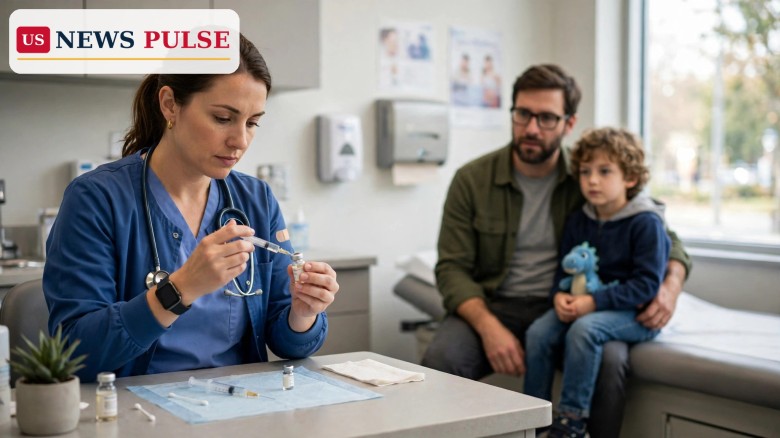
US measles cases have climbed to 4,852 in 2026, after the Centers for Disease Control and Prevention (CDC) reported 264 new infections in its latest update on Friday, October 30. The new national total, counted through October 29, underlines how a disease declared eliminated in the United States in 2000 has returned as a sustained, nationwide outbreak year, driven overwhelmingly by infections among people who were unvaccinated or whose vaccination status was unknown.
The update also sharpens a painful contrast at the heart of the outbreak. Pennsylvania alone accounts for 1,398 of the national cases, spread across 44 counties, while the CDC has confirmed three measles-associated deaths nationally and Pennsylvania's own health department counts five under its definition. Health officials stress that the figures are preliminary and that state departments hold the most current local numbers, but the direction of travel is unmistakable: the 2026 total is already more than double the 2,289 cases recorded in all of 2025.
Key Points
- The CDC reported 4,852 US measles cases as of October 29, 2026, up 264 from the previous update.
- Hospitalisations linked to measles in 2026 stand at 511, about 11 percent of all reported cases.
- People aged 5 to 19 account for 2,010 cases, adults aged 20 and over for 1,996, and children under 5 for 812.
- About 96 percent of 2026 cases were among people unvaccinated or with unknown vaccination status, up from 93 percent in 2025.
- Pennsylvania has reported 1,398 cases in 44 counties, including 265 hospitalisations and five measles-associated deaths under the state's definition.
What Happened
The CDC published its latest national measles tally on Friday, October 30, covering confirmed cases reported by jurisdictions through October 29. The total of 4,852 represents a rise of 264 cases since the previous update, continuing a pattern of weekly increases that has persisted through the autumn. A week earlier, the CDC had counted 4,588 confirmed cases as of October 22, and 96 percent of those cases were outbreak-associated, including 3,020 from outbreaks that began in 2026 and 1,384 from outbreaks that began in 2025.
The age breakdown in the new update shows how broadly the virus is spreading. Children and teenagers aged 5 to 19 make up the largest group, with 2,010 cases, closely followed by adults aged 20 and over, with 1,996 cases. Children under 5 account for 812 cases, a group health officials watch especially closely because measles is particularly dangerous for babies and young children, who are more vulnerable to severe complications.
Hospitalisations remain a central measure of the outbreak's severity. The CDC puts measles-linked hospitalisations in 2026 at 511, representing about 11 percent of all reported cases. In Pennsylvania alone, the state health department has recorded 265 hospitalisations, more than half the national hospitalisation total, reflecting the sheer scale of that state's outbreak.
On deaths, the national and state counts differ, and officials say the gap comes down to definitions and review. Pennsylvania's health department has reported five measles-related deaths so far in 2026, while the CDC has confirmed only three measles-associated deaths nationally and has not specified where they occurred. Pennsylvania counts a death as measles-associated when it occurs within 30 days of symptom onset in a person with an active measles case, clinical evidence and a positive laboratory test, after unrelated causes are excluded. The CDC has said its death figure is subject to change as reviews are completed.
Background/Context
Measles is one of the most contagious viruses known. It spreads through the air when an infected person breathes, coughs, sneezes or talks, and the virus can remain infectious in the air or on surfaces for up to two hours after the infected person has left the area. About 90 percent of unvaccinated people exposed to measles will catch the disease, according to CDC guidance, and people can spread it from four days before a rash appears until four days after the rash begins.
The illness usually begins 7 to 14 days after exposure, most often with a high fever that can reach 105 degrees Fahrenheit, a cough, a runny nose and red, watery eyes. Tiny white spots known as Koplik spots may appear inside the mouth, and a red, blotchy rash typically follows three to five days after the first symptoms, starting on the face and spreading down the body. Most people recover within a week or two, but measles can cause diarrhoea, ear infections and pneumonia, and less commonly deafness, blindness, seizure disorders, brain swelling and death.
The United States declared measles eliminated in 2000, meaning the virus was no longer spreading continuously within the country, although imported cases still occurred. Elimination depends on high vaccination coverage, and public health experts generally regard coverage of around 95 percent as the threshold needed to prevent sustained spread in a community. That context makes the latest kindergarten figures troubling: national kindergarten MMR coverage has fallen from 95.2 percent in the 2019-2020 school year to 92.4 percent in 2025-2026, leaving roughly 280,000 kindergartners at risk, according to CDC data cited in recent reporting.
The 2026 resurgence did not arrive out of nowhere. The CDC counted 2,289 cases in all of 2025, and the 43 new outbreaks reported in 2026 are approaching 2025's total of 48. Cases have been reported in 47 jurisdictions, including Florida, Illinois, Indiana, Michigan, Missouri, Texas and Wisconsin. The CDC counts only confirmed cases notified by jurisdictions and notes that its published totals may therefore be lower than the figures held by state health departments.
US Measles Cases and the Pennsylvania Outbreak
Pennsylvania is the epicentre of the 2026 outbreak, and its numbers explain much of the national picture. The Pennsylvania Department of Health confirmed 1,398 measles cases across 44 counties as of October 28, an increase of 38 cases since its October 26 update. Of those cases, 85 were reported in the previous seven days, and fewer than 1 percent were in fully vaccinated people: just four cases among vaccinated individuals in the state's tally.
Within Pennsylvania, Lancaster County accounts for 487 cases, more than a third of the state total, followed by Mifflin County with 198, Chester County with 93 and Jefferson County with 87. As of October 26, the department had found community transmission in 16 counties: Centre, Chester, Clarion, Clearfield, Elk, Franklin, Indiana, Jefferson, Lancaster, Mercer, Mifflin, Snyder, Somerset, Union, Warren and York. Three of the state's five deaths occurred in Lancaster County, and the fifth death reported, on September 30, was an unvaccinated Lancaster County resident.
The state's response has included a major vaccination push. Providers in Pennsylvania gave 56,631 doses of the measles, mumps and rubella (MMR) vaccine in September and 53,296 doses in October through October 28, according to the state dashboard. The state health department asks clinicians to report suspected cases immediately, by phone or to the local health department, with state regulations setting an outer limit of 24 hours for reporting.
Pennsylvania's outbreak has also become a flashpoint in a national debate over vaccine policy involving US Health and Human Services Secretary Robert F. Kennedy Jr. After Pennsylvania reported the first two US measles-associated deaths of 2026 in August, Kennedy questioned on social media whether they were real. Pennsylvania Health Secretary Debra Bogen confirmed the deaths, and Governor Josh Shapiro publicly defended the state's figures. The CDC has previously said it would deploy additional support to Pennsylvania to help investigate the outbreak, and the state says it continues to work with CDC professional staff.
Reactions/Quotes
State and federal health agencies have responded to the new figures by restating the same core guidance: vaccination is the best protection against measles, and suspected cases should be identified and isolated quickly. The Pennsylvania Department of Health has continued to publish its dashboard updates county by county, including year-to-date hospitalisation rates for specific age groups, so that clinicians and the public can track where transmission is occurring.
Clinicians writing about the Pennsylvania outbreak have stressed the practical lessons for doctors' surgeries and clinics: know who is in the waiting room, know which staff members are immune, and move a suspected case to testing and reporting without delay. CDC guidance advises collecting a nose or throat swab for laboratory testing and a blood sample for measles antibodies at the first visit, and notes that exposed patients without immunity can receive the MMR vaccine within 72 hours or immune globulin within six days.
The dispute over the death counts has drawn attention to how measles deaths are classified. Pennsylvania's broader, 30-day definition produces a higher count than the CDC's nationally confirmed figure, and both agencies describe their numbers as subject to review. For families and clinicians, the practical point is unchanged: five deaths counted by one definition and three confirmed by another both describe a year in which a vaccine-preventable disease has again proved fatal in the United States.
Why It Matters
The rise to 4,852 cases matters for three reasons. First, it shows that measles is no longer a series of isolated, quickly contained importations but a sustained national outbreak, with 96 percent of cases linked to outbreaks. Second, the hospitalisation rate of about 11 percent shows the burden is falling heavily on hospitals and families, particularly for children and for adults who missed vaccination. Third, the concentration in Pennsylvania, where a single state accounts for nearly three in ten national cases, shows how quickly local gaps in immunity can turn into a regional crisis with national consequences.
The vaccination data point to the way out. Two doses of the MMR vaccine are about 97 percent effective at preventing measles, and one dose is about 93 percent effective, according to the CDC. The vaccine is normally given in childhood, with the first dose at 12 to 15 months and the second at 4 to 6 years, and adults who are unsure of their immunity can check their records or have their immunity tested. The fact that fewer than 1 percent of Pennsylvania's cases were in fully vaccinated people is, for public health officials, the clearest evidence available that the vaccine is working where it has been given.
There is also a wider warning in the kindergarten coverage figures. When coverage slips below the level needed for community protection, outbreaks that would once have burned out quickly can instead find chains of susceptible contacts in schools, clinics, workplaces and places of worship. Measles spreads before the rash appears, and the virus lingers in the air, so by the time a case is recognised, exposures may already have happened. That is why health departments emphasise both vaccination and rapid reporting, rather than either alone.
What Happens Next
The CDC will publish its next national update in the coming week, and state health departments will continue to update their dashboards in the meantime. Watchers will look first at whether the weekly increase of roughly 250 to 300 cases is holding, rising or slowing, and second at whether Pennsylvania's county-level spread is narrowing or widening beyond the 16 counties already showing community transmission.
Clinicians are also watching the winter season, when respiratory viruses circulate more heavily and indoor crowding increases opportunities for airborne spread. Schools and health care settings remain the places where rapid identification matters most, and health departments are urging anyone with fever, cough, red eyes and a spreading rash after a possible exposure to call ahead before attending a clinic, so that they can be assessed without exposing a waiting room.
For parents and adults checking their own status, the next step is simple: confirm MMR vaccination, arrange any missing doses, and seek medical advice promptly after a known exposure. Post-exposure options exist, but they are time-limited, which is why officials stress acting within hours rather than days. If the current pace continues, the national total will pass 5,000 cases in the next update or two, a milestone that would underline, in the starkest terms, how far the country has moved from elimination.
Frequently Asked Questions
How many US measles cases have been reported in 2026?
The CDC reported 4,852 confirmed cases as of October 29, 2026, up 264 from the previous update. The figure is preliminary and counts only confirmed cases notified by jurisdictions.
Where are most of the cases?
Pennsylvania accounts for 1,398 cases across 44 counties, including 487 in Lancaster County. Cases have been reported in 47 jurisdictions nationally, and 96 percent of 2026 cases are outbreak-associated.
How many people have been hospitalised or died?
The CDC puts measles-linked hospitalisations at 511, about 11 percent of cases. Pennsylvania reports 265 hospitalisations and five measles-associated deaths under its definition; the CDC has confirmed three measles-associated deaths nationally.
How effective is the MMR vaccine?
Two doses of the MMR vaccine are about 97 percent effective at preventing measles, and one dose is about 93 percent effective, according to the CDC. Children normally receive doses at 12 to 15 months and at 4 to 6 years.
What should I do if I may have been exposed to measles?
Contact a clinician or health department promptly, and call ahead before visiting a clinic so you can be assessed without exposing others. Exposed people without immunity may receive MMR within 72 hours or immune globulin within six days, under CDC guidance.
Related coverage on US News Pulse: a child treated in Nashville for confirmed measles (Nashville measles case), a major children's product safety recall (Harkla sensory swing recall), and a food safety alert for pet owners (Darwin's cat food salmonella alert).
© 2026 US News Pulse. All rights reserved.
 Print
 Save