
Judge Blocks Trump's $20 Million Taxpayer-Funded Ads Six Days Before Midterms
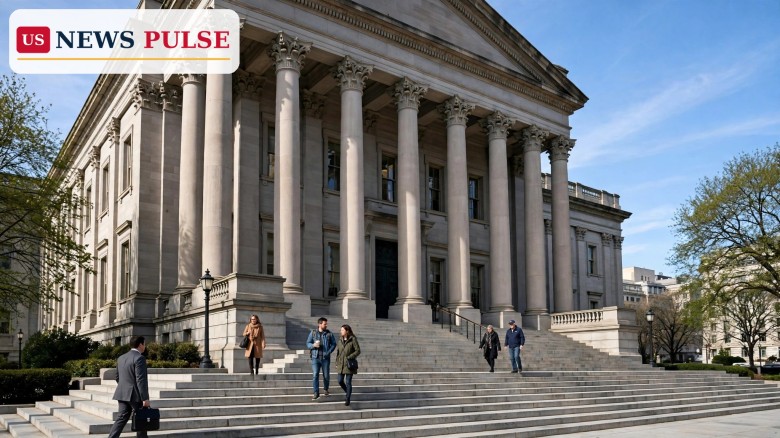
A federal judge in Washington blocked the Trump administration's taxpayer-funded Trump ads on Wednesday, October 28, 2026, ruling that officials likely used public money unlawfully to finance a national television campaign praising the president just six days before the midterm elections. The taxpayer-funded Trump ads at the centre of the case were paid for with $20 million redirected from the Department of Homeland Security, and the court's order stops the government from developing or airing them through November 11.
Key Points
- US District Judge Loren L. AliKhan granted the Democratic National Committee a temporary restraining order on October 28, 2026, staying the Office of Management and Budget's $20 million apportionment for five pro-Trump television ads.
- The order bars the Office of Management and Budget and the Department of Homeland Security from developing, producing or airing the ads, which carried the disclaimer "Paid for by the U.S. Government."
- Judge AliKhan found officials "likely used public dollars to unlawfully finance a national media campaign" and that the DNC had shown a likelihood of irreparable harm without relief.
- The ruling follows an earlier order from a federal judge in New York barring officials from taking steps to air the ads or spend more public money on them through November 15.
- The ads began airing in late September 2026, and tracking firms estimated more than $12 million in airtime had already run by the time the DNC sued on October 7.
What Happened
Judge AliKhan's order, issued in the case Democratic National Committee v. Trump in the US District Court for the District of Columbia, grants two forms of emergency relief the DNC had sought since early October. First, it stays the OMB apportionment that moved $20 million in Customs and Border Protection funds to pay for the campaign. Second, it bars OMB and DHS from developing or airing the five ads covered by that funding through November 11, eight days after the November 3 midterm elections.
The judge's reasoning turned on the federal ban on using congressionally appropriated money for publicity or propaganda. Section 718 of the Consolidated Appropriations Act of 2026 bars federal funds from being used for propaganda purposes, and the DNC argued the ads crossed that line because they promoted the president and his political message rather than delivering neutral public information. AliKhan agreed the DNC was likely to succeed, finding that officials "likely used public dollars to unlawfully finance a national media campaign," and that the committee had "established a likelihood of irreparable harm absent relief" while voting is already under way across the country.
The Washington ruling is the second courtroom defeat for the campaign in a matter of days. Bloomberg reported that it followed an order from a federal judge in New York barring US officials from taking steps to air the ads or spend more public money on them through November 15, after the midterms. Together, the two orders leave the administration with no lawful route to keep spending taxpayer money on the spots in the final stretch of the campaign.
Background and Context
The advertising campaign began airing in late September 2026, weeks before the November 3 midterms, and quickly drew scrutiny from Democrats and government-ethics specialists. According to the DNC's complaint, President Donald Trump personally directed budget officials to find federal money for the effort, and OMB Director Russ Vought reapportioned $20 million of Customs and Border Protection funds to pay for it less than a month before the election.
The money came from a CBP account labelled "Commemorative Events," which congressional materials describe as covering agency anniversaries, employee recognition ceremonies and memorial services honouring officers killed in the line of duty. The DNC says that account sat inside a $175 million appropriation Congress approved for Homeland Security as part of the president's immigration enforcement agenda. On or about September 20, the administration contracted with LMD Agency Inc., a marketing firm, to carry out a "National Media Campaign" over the following year, awarding it a $20 million contract, while a second firm, LMO Advertising, bought the airtime.
The scale of the buy grew fast. Between September 23 and September 27, the ads aired nearly 90 times on national television networks including Fox, Newsmax, MS Now and CBS, at an estimated cost of $337,000 according to iSpot.TV, while local stations aired them at least 2,311 times at an estimated cost of $1.4 million according to AdImpact. AdImpact estimated more than $2.5 million was spent in the first week alone, roughly $9.7 million through October 5, and more than $12 million by the time the DNC filed suit on October 7. The complaint warned the campaign would continue and intensify as Election Day approached, and noted that not all of the $20 million had been spent.
The legal fight moved quickly after the filing. The DNC sought a temporary restraining order and a stay under Section 705 of the Administrative Procedure Act on October 9, arguing that expedited action was essential because the ads were still airing with the "Paid for by the U.S. Government" disclaimer, voting was already under way in every state, and millions of apportioned public dollars remained unspent. The committee filed status reports on October 19 and 20 as the case proceeded toward Wednesday's ruling.
Taxpayer-Funded Trump Ads: What the Judge Found
At the heart of Judge AliKhan's order is a distinction the courts have drawn for decades between legitimate government communication and propaganda. The administration defended the spots as public service announcements, calling them "a reminder for Americans to love their country" and arguing that because Trump is not himself on the midterm ballot, the ads are not political. The DNC's case attacked that framing directly: the ads, it said, glorified the president, echoed his campaign rhetoric and were designed to lift Republican candidates in an election the president himself has nationalised, repeatedly telling voters to "pretend that I am on the ballot."
AliKhan sided with the DNC at this preliminary stage, finding the funding likely unlawful and the harm to the committee and to voters real and immediate. A temporary restraining order is not a final judgment on the merits, and the administration can still argue at a fuller hearing that the ads are lawful government speech. But the order's practical effect is immediate: the $20 million apportionment is stayed, and the two agencies most involved in the campaign are barred from developing or airing the ads while the case continues.
The ruling also sharpens a second, unresolved question: the money already spent. Trump announced on October 5, after the lawsuit was filed, that he and his MAGA Inc. political action committee would pay for the ads going forward. Yet the ads continued to air with the federal disclaimer, and a White House official has said there were no immediate plans to reimburse the government for money already spent. Whether taxpayers recover any of the estimated $12 million-plus already used for airtime is now a live issue in the case and in Congress.
Reactions and Quotes
The DNC claimed the ruling as a victory for taxpayers within hours of the order. "The Court just delivered a victory for the rule of law and for American taxpayers," DNC Chair Ken Martin said in a statement. "Trump and his administration can no longer misuse Americans' hard-earned dollars to run political ads while working families can't even afford to pay for their gas and groceries."
Martin went further, tying the ads to the president's political standing days before the midterms. "Trump's illegal and desperate attempt to save his cratering approval ratings ahead of the midterm elections only underscores how out of touch he is with the American people, who will hold him and Republicans accountable for their destructive agenda at the ballot box next week," he said.
The DNC's broader argument, set out in its complaint and in court filings, is that the campaign was an attempt to rescue the president's standing and his party's prospects. "President Trump's political propaganda ads are an attempt to resuscitate his historically low approval ratings and avoid widespread Republican defeats in the 2026 midterm election," the committee wrote, noting that the president has made himself the centre of a two-day "midterm convention" in the campaign's final stretch.
The administration has not yet issued a detailed public response to Wednesday's order. Previously, the White House referred questions about the dispute to Trump's October 5 social media statement defending the campaign and announcing the shift to political fundraising, while officials maintained the spots were legitimate public service announcements. Democratic lawmakers had earlier written to White House Chief of Staff Susie Wiles calling the ads an "egregious and illegal" form of government propaganda, and the controversy drew bipartisan scrutiny before the lawsuit was filed.
Why It Matters
Wednesday's order matters first because of its timing. The midterms are on November 3, early voting is already under way, and the ads were designed to reach voters in the campaign's final days. A court stepping in six days before the election to freeze a federally funded messaging campaign is rare, and it removes a government-paid megaphone from the closing stretch of races that will decide control of Congress.
It matters second because of the principle at stake. The ban on using appropriated funds for propaganda exists to stop any administration from turning the federal treasury into a campaign war chest, and the CBP commemorative-events account at issue here was meant for memorials and ceremonies, not television advertising. If the DNC's account of the funding is upheld, the case becomes a warning to future administrations that budget manoeuvres cannot convert ceremonial accounts into campaign funds.
It matters third because of the money trail. The $20 million apportionment is stayed, but the airtime already bought and aired cannot be un-bought, and the question of reimbursement now sits alongside the question of legality. For voters, the dispute is also a window into how campaign-season messaging is financed: the same dollars Congress appropriated for border enforcement were, on the DNC's account, redirected to promote the president on television in the weeks before an election.
What Happens Next
The immediate calendar is set by the two court orders. Judge AliKhan's restraining order runs through November 11, and the New York judge's order runs through November 15, so the taxpayer-funded spots are frozen well past Election Day. The underlying case will continue in Washington, where the DNC is seeking a declaration that the spending was illegal and a permanent bar on using federal funds for the ads.
The administration has several options: it can appeal the emergency orders, argue at a fuller hearing that the ads qualify as lawful government communication, or let the taxpayer-funded campaign lapse and rely on MAGA Inc. funding instead. Any appeal would face a steep climb given the short window before the election and the courts' findings of likely unlawfulness and irreparable harm.
Congress may also weigh in. Democratic appropriators have already questioned the use of the CBP account, and the dispute over reimbursement of money already spent could become an oversight fight after the midterms. For now, the practical result is clear: the $20 million campaign is off the air as voters cast the ballots that will decide the next Congress.
Frequently Asked Questions
What did Judge AliKhan order on October 28, 2026?
She granted the DNC a temporary restraining order staying OMB's $20 million apportionment for five pro-Trump television ads and barring OMB and DHS from developing or airing them through November 11.
Why were the ads challenged?
The DNC argued the ads, paid for with $20 million redirected from a Customs and Border Protection commemorative-events account, violated the federal ban on using appropriated funds for publicity or propaganda, and were designed to help Republicans in the midterms.
How much taxpayer money was spent on the ads?
Tracking firms estimated more than $2.5 million in the first week, about $9.7 million through October 5, and more than $12 million by the time the DNC sued on October 7, out of the $20 million apportioned.
What did the administration say in defence of the ads?
Officials called them public service announcements and "a reminder for Americans to love their country," arguing they were not political because Trump is not on the midterm ballot. Trump later said MAGA Inc. would pay for the ads going forward.
Is this a final ruling?
No. A temporary restraining order is emergency, preliminary relief. The underlying lawsuit continues, and the administration can still argue the ads are lawful at a fuller hearing, but the taxpayer-funded spots are frozen past Election Day.
Related coverage: Trump's $5,000 dividend promise back in spotlight seven days before midterms, Trump's Texas rallies: Paxton, methane plan and a Talarico surge, Trump's $1 million voter-fraud reward: tips must lead to arrest and conviction
© 2026 US News Pulse. All rights reserved.
 Print
 Save